The Happiness We Keep for Later
It was a calm evening. Two friends, Ram and Shyam, sat by a lakeside watching the sunset. The sky shifted through shades of orange and gold and the water reflected every color as if the lake itself were painting the moment. The breeze was gentle, the air was still, and for a long while neither felt the need to speak.
After a while, Shyam said, “I wish every day could feel like this.”
Ram smiled. “It can. You feel happy right now not because something special happened but because you don’t need anything extra in this moment.”
Shyam looked at him. “What do you mean?”
Ram pointed toward the horizon. “Look at the sunset. It is simply there. And for once, we are not asking anything from it. We’re not wishing it were different.”
They looked at the lake again as the colors softened. The idea Ram shared stayed with Shyam like the last streak of light on the water.
The World Through Our Lens
Most of us don’t see the world as it is. We see it as we expect it to be.
We walk into each day carrying invisible scripts. This person should behave this way. This situation should go according to plan. This outcome should match my effort.
When things align with our script, we call it a good day. When they don’t, we feel unsettled. But the disturbance rarely comes from the event. It comes from the gap between our expectation and our experience.
Srikumar Rao, in his book, Are You Ready to Succeed, provides an access to this, through the concept of mental chatter, the constant commentary that follows us everywhere. The chatter colors everything. It judges, compares, and argues with what is happening. The chatter disturbs us far more than reality ever does.
Imagine driving on a busy road. A car cuts in front of you. The event is over in two seconds. The thoughts that follow can stretch through the day. You replay the moment. You complain internally. You assign intentions to someone you don’t know. The raw incident gets replaced by all the meaning you added to it.
We end up living more in our interpretation than in the moment itself.
Nature Has No Commentary Attached
When we watch a sunrise, we don’t analyze it. We don’t ask it to be more colorful or wonder whether it could have been better tomorrow. We simply observe.
That brief pause in our judgment makes space for something else to come up. Happiness does not need to be created. It surfaces when the noise inside us calms.
This is why nature feels grounding. We stop fighting with what we see. We accept it as it is without debate. In life, we seldom do that. We want situations to bend toward our preferences. We want people to behave according to our stories. We turn every moment into a negotiation with reality.
Srikumar Rao explains that happiness is our natural state. It is not something that arrives from outside. It is what remains when the inner commentary slows down.
The Freedom in Letting Go
Ram picked up a small stone and tossed it lightly into the lake. Ripples spread outward, merging into the calm surface.
“You know,” he said, “when we look at trees, we don’t start comparing them or wondering if they should be shaped differently. When we hear birds, we don’t evaluate their tune. We simply take these moments as they come. It differs with people and events, where we bring in expectations and judgments.”
Shyam nodded slowly. “And in that process, we lose the joy that is already available.”
Letting go does not mean giving up ambition. It does not mean avoiding goals or being passive. It means not attaching your happiness to outcomes. You can still strive, still improve, still work hard. When happiness stops depending on results, life becomes lighter. This can be described as moving from if–then thinking to because–therefore living.
If I succeed, then I’ll be happy.
If everything works out, then I can relax.
Why not look at it such that the reverse works too.
Returning to What Always Was
The sky dimmed as the last light faded. The surface of the lake looked different now, calmer, softer, almost like a mirror.
Ram said, “Notice something. Nothing around us is trying to change. The colors fade, the sky shifts, the water moves, but none of it is attempting to become something else. It simply follows its nature.”
Shyam watched the ripples settle. “So maybe happiness is not something we earn,” he said. “Maybe it happens when we stop insisting that every part of life meet our expectations.”
Ram smiled. “Yes. When we stop fighting the world, we realize it was never fighting us.”
The first stars appeared above them. The night slowly replaced the evening without trying to impress anyone or live up to any idea. It unfolded in its own rhythm.
Shyam felt something soften inside him, something that did not feel dramatic or profound. It felt natural. A quiet recognition that happiness was not waiting somewhere in the future. It was not hidden behind achievements or approval. It was already present, covered by layers of comparisons, worries, judgments, and scripts.
How often have we heard the saying that happiness is like a butterfly and chasing it wont get us any results but when we stop chasing it, the butterfly comes and sits on our lap! Happiness is pretty much like that.
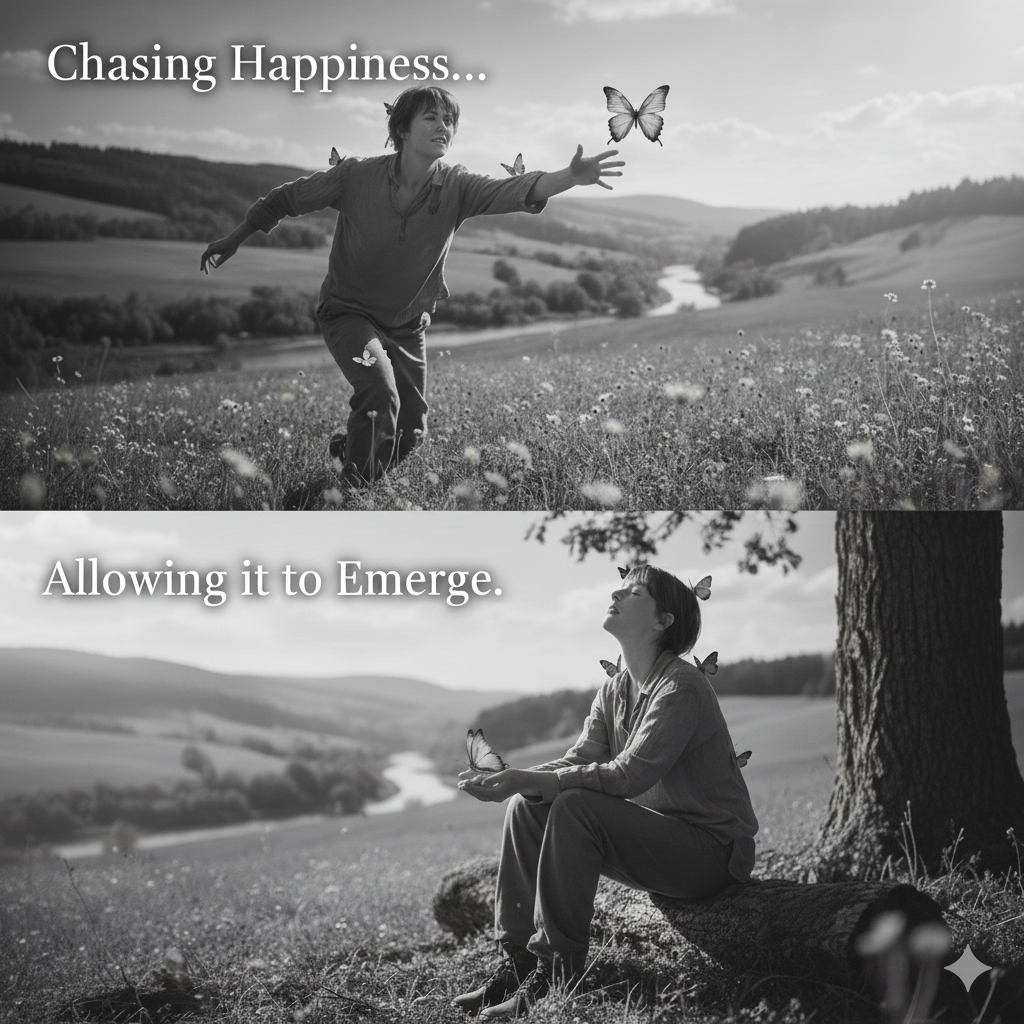
Perhaps that is what Srikumar Rao means when he says happiness is our natural self expression. It is not something we discover. It is what remains when we stop adding all the extra noise.
And on that still evening, Ram and Shyam did not learn how to become happy. They simply stopped postponing it or burying it under layers of expectations around events.
Comments
2 responses to “When We Stop Arguing with Life”
Great article! The focus on user experience in online gaming is spot on. Seamless registration, like with phil168 club, is key – quick access & support matter so much for Filipino players! Definitely a growing market.
Hey, checking out w88ai! Looks like a decent place to find some fun. Gotta love a good online spot for games. Worth a look, for sure! Check it out here: w88ai